
5 Mistakes to Avoid With Spray Foam Insulation
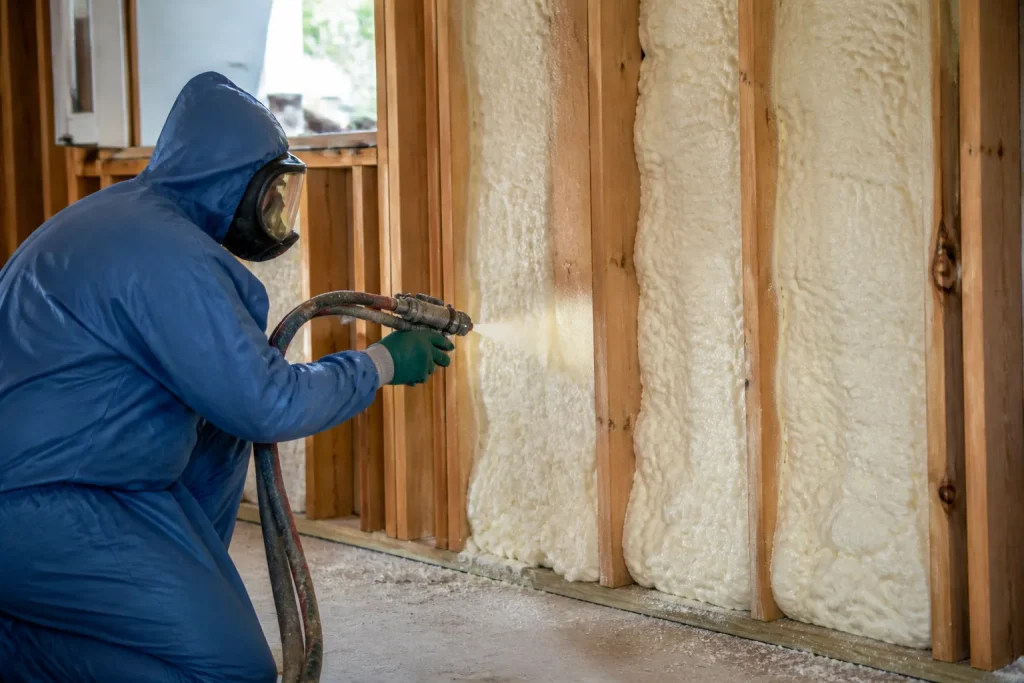
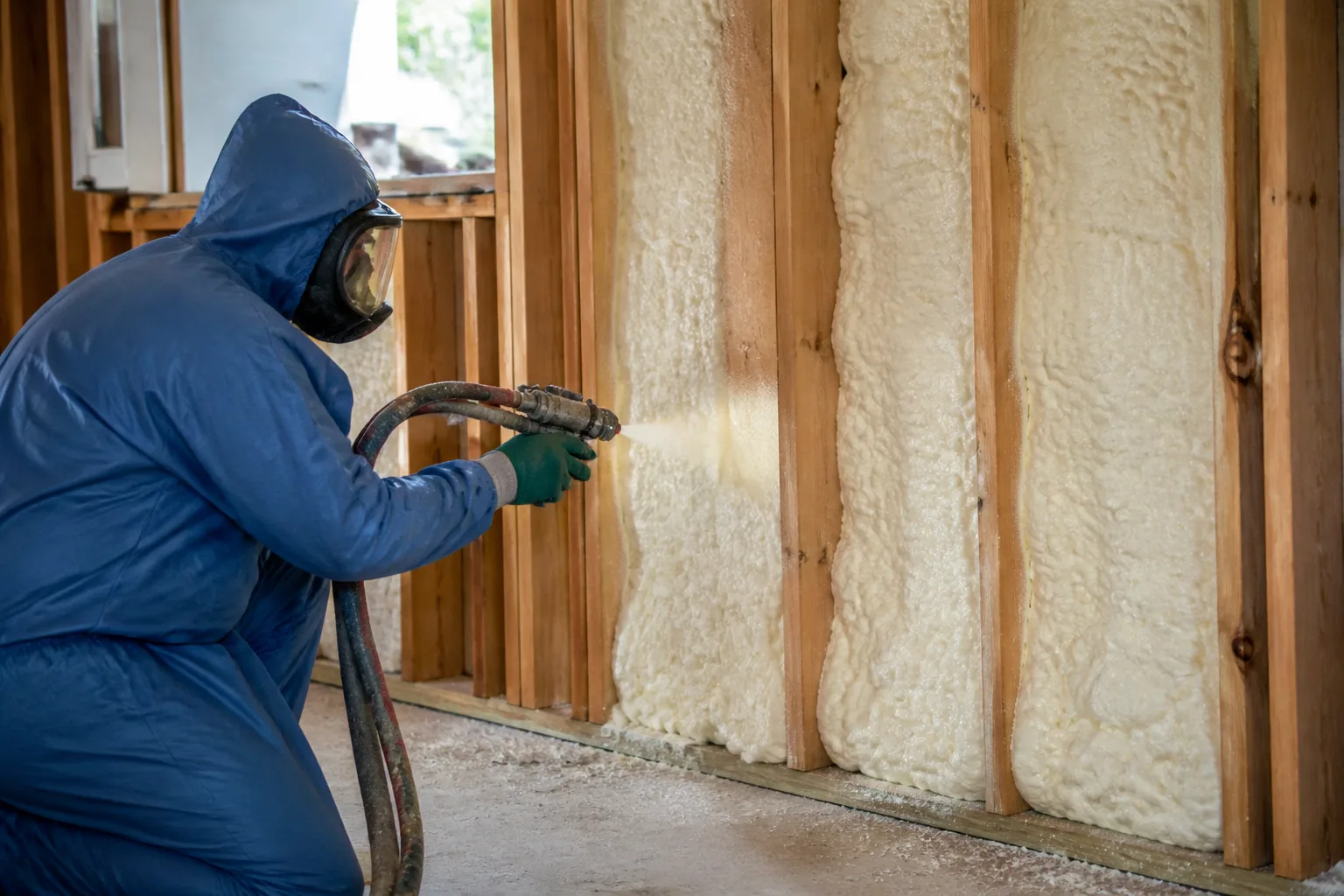
The costliest spray foam mistakes in Los Angeles are almost all installation-sequence errors, decisions made in the first 20 minutes of a job that permanently compromise a product that should last the life of the house. Spray foam is the only insulation material that cannot be patched, re-mixed, or re-sprayed over a failed lift without first mechanically removing the bad layer. That means a crew that gets the substrate temperature wrong on a cool LA coastal morning can create a remediation job that costs more than the original install. Here are the five mistakes we see most often, and how to avoid them. If you’d rather not sort through any of this yourself, call (909) 768-6501 and we’ll walk you through it.
Mistake #1: Spraying closed-cell foam when the substrate is below 60°F
In Los Angeles, we get fooled by our own mild climate. A January morning in Santa Monica or the Palisades might be 52°F at 7 a.m., and the attic substrate, the plywood or OSB that foam gets sprayed onto, is often colder than the air. Closed-cell foam needs the substrate at or above 60°F for the chemical reaction to cure properly. Below that temperature, the A-side and B-side components don’t mix at the right ratio. What you get is foam that looks fine on day one but turns brittle and shrinks away from the framing within six months. We’ve seen it in attics across Los Angeles, small hairline gaps opening between the foam and the roof deck, and the homeowner has no idea until the energy bill creeps up or a pest finds the void.
The fix is not a second pass over the top. Failed closed-cell foam has to be mechanically scraped and removed, down to bare substrate, before anything new can go on. That’s a messy, expensive job that good crews avoid by checking substrate temperature with an infrared thermometer before the rig even gets turned on. At Thistledown Attic Insulation, we don’t spray closed-cell foam below 60°F on the substrate, no exceptions. A two-hour delay for the sun to warm the roof deck is cheaper than a full remediation.
Mistake #2: Using open-cell foam in an unvented attic without a vapor retarder
Open-cell foam is a great product for the right application. It’s an air barrier, it fills odd cavities well, and it costs less per board foot than closed-cell. But in an unvented attic assembly in Los Angeles, open-cell foam installed against the roof deck without a vapor retarder can trap moisture against the wood. The California Energy Code, Section 150.1, is specific about this. When you bring a cathedral ceiling or unvented attic into the conditioned envelope, the assembly needs to manage water vapor, not just air. Open-cell foam is vapor-permeable by design. Without that vapor retarder layer, warm interior air migrates up through the foam in winter, hits the cold roof deck, and condenses. In Los Angeles, this shows up as dark staining on the underside of the sheathing or musty air you can’t trace to anything else.
A qualified insulation contractor will know whether your specific attic configuration needs a vapor retarding coating or whether closed-cell foam, which acts as its own vapor barrier at sufficient thickness, is the better call. We work with spray foam applications in Los Angeles that span both product types, and the decision always comes down to the roof assembly, the venting, and the California code path your project follows. This is not a ‘whatever’s cheapest’ conversation.
Mistake #3: Not protecting HVAC equipment and ducts during the install
Spray foam expands and cures fast. It also has a way of finding surfaces you didn’t intend to coat. One of the leading causes of post-install indoor air quality complaints in Los Angeles homes is overspray on HVAC equipment and flex duct connectors. A fine mist of foam settles on duct joints, blower housings, or the edges of a coil cabinet. Once it cures, it’s on there. You’re not wiping it off. If overspray gets into a flex duct connector, it can disrupt airflow, cause the duct to separate, or slowly release the same chemistry into the air stream that you want cured and inert before the family comes back in.
Good spray foam crews mask off everything that isn’t getting foam. We cover ducts with plastic sheeting, seal the return registers, and tape the seams. The masking is half the job on the prep side, and skipping it is how a $4,000 insulation upgrade becomes a $2,500 HVAC repair three months later. When we scope attic insulation projects in Los Angeles, we include HVAC protection as a line item in the written quote, not as an afterthought. You should see it in writing before we start.
Mistake #4: Accepting a verbal thickness guarantee instead of a measurement report
Foam thickness is not a matter of trust. It’s a matter of a mil-gauge. Closed-cell spray foam needs to hit 2 inches minimum to create a functioning air barrier and 3.5 inches to deliver the R-value most Los Angeles energy audits assume. Some crews spray by feel, eyeball the pass, and when the homeowner asks “how thick did it go on?” the answer is “looks good to me.” That’s not a warranty. That’s a shrug.
You want a written report with mil-gauge measurements taken at multiple points across the attic, not just the easy-to-reach spots near the hatch. The corners, the eaves, the transitions around plumbing stacks, those are where the thickness falls short. Those are also the places where heat moves and moisture collects. At Thistledown, every attic insulation installation in Los Angeles gets a thickness verification pass before we call the job done. If a spot reads thin, we hit it again. That’s what the 365-Day Done Right Promise means in practice: if it isn’t right, we make it right, no debate.
Mistake #5: Skipping the hard 24-hour re-occupancy window
Spray foam needs time to cure, and “let it air out” is not a substitute for a hard time boundary. Spray foam is a two-part isocyanate-based material. During application and for several hours after, unreacted chemical components off-gas. After full cure, the foam is inert and stable. But children, pregnant women, and anyone with respiratory sensitivity should not be in the house during that curing window. The industry standard is 24 hours of re-occupancy time after application, sometimes longer depending on temperature and humidity, which in coastal Los Angeles can stretch things out.
This is not a suggestion. A crew that tells you it’s fine to sleep in the house the same night as a spray foam install is a crew you don’t want in your attic. We schedule spray foam work around the family’s actual life. If that means a Friday install so the family comes back Saturday evening, that’s the schedule. If it means boarding the dog and cat for a night, we say so up front. We’re a crew that asks before we move anything and explains before we act, and part of that is being straight about the chemistry. The re-occupancy window is not negotiable, and a good contractor will tell you that before you sign, not after the foam is up.
How to vet a spray foam crew before they show up
You can avoid all five of these mistakes with a 10-minute phone call. Here’s what to ask:
- What’s your substrate temperature minimum for closed-cell foam? If they don’t have a number, or if they say “we spray in any weather,” move on.
- Do you measure thickness with a mil-gauge and give me a report? If the answer is anything other than yes, that’s a red flag on Mistake #4.
- What’s your re-occupancy window? The right answer is at least 24 hours, no hedging.
- How do you protect my HVAC and ducts? The right answer is specific: plastic sheeting, taped seams, sealed registers.
- Do I get a written price before the work starts? This is non-negotiable. If the price isn’t written, you don’t have a price.
When to call a pro
Spray foam is not a DIY product in any meaningful sense. The equipment costs more than a small car. The chemistry is unforgiving. The safety stakes, isocyanate exposure, respiratory protection, curing time, are real. But there’s also a decision-making layer that matters. An experienced installer looks at your roof deck, your attic ventilation, your HVAC layout, and your family’s schedule and gives you a plan before the foam ever leaves the truck. That plan includes product selection. We install Demilec and Icynene spray foam systems alongside fiberglass and mineral wool options from Owens Corning, Johns Manville, and GreenFiber, and the product choice for your attic is driven by your roof assembly and your family’s needs, not by whatever’s on the truck. If you’re in Los Angeles and you want to talk it through, Thistledown Attic Insulation answers every call with a live person, 24 hours a day, at (909) 768-6501.
Key Takeaways
- Closed-cell spray foam needs a substrate temperature of 60°F or warmer. A cold Los Angeles morning can ruin a lift before it cures.
- Open-cell foam in an unvented attic without a vapor retarder violates California Energy Code Section 150.1 and invites moisture into the roof deck.
- Unprotected HVAC equipment and duct connections are prime victims of overspray, and that becomes an air quality problem later.
- Verbal thickness promises mean nothing. You want mil-gauge measurements in writing, and you want them across the whole attic.
- A 24-hour re-occupancy window is a hard line for spray foam, especially for kids, pregnant residents, and pets.
The Bottom Line
Spray foam insulation done right is a lifelong product. Done wrong, it’s a remediation project that costs more than the original job. The difference is almost always in the first 20 minutes: temperature checks, masking, product selection, thickness discipline, and an honest re-occupancy window. If you’re in Los Angeles and you’d rather not gamble on any of it, Thistledown Attic Insulation offers free estimates and a written price before any work begins. Call (909) 768-6501 and we’ll come out, look at your attic, and tell you exactly what you need and what it costs. No pressure, no vague ranges, just a number in writing.
Frequently Asked Questions
Spray foam insulation in Los Angeles typically runs from $2.50 to $6.00 per board foot for open-cell foam and $4.00 to $9.00 per board foot for closed-cell, depending on depth, substrate condition, and accessibility. The only number that matters for your house is the one in your written quote. Call (909) 768-6501 for a free estimate and we’ll give you an exact number before any work starts.
No. Spray foam must be applied to a clean, dry substrate, never over existing fiberglass or cellulose. Old insulation needs to be removed first, and sometimes the substrate itself needs to be evaluated for temperature and moisture before we spray. This is why prep is the most underrated part of any spray foam job in Los Angeles.
Plan for a minimum of 24 hours out of the house after spray foam installation, longer for sensitive individuals, pregnant women, and young children. The foam needs that time to fully cure and off-gas. A reputable installer gives you a hard re-occupancy window in writing before the job, not after.
It depends on the roof assembly. Closed-cell foam acts as its own vapor barrier and adds structural strength, which often makes it the right call for unvented attics and cathedral ceilings. Open-cell foam is a strong air barrier and works well in vented assemblies where the roof deck can dry to the outside. We’ll evaluate your attic configuration and California code path before we recommend either one. Call (909) 768-6501 and we’ll look at it together.
Written by Neil Barron, Owner at Thistledown Attic Insulation, serving Los Angeles since 2003.
Need Insulation Help?
Call Thistledown Attic Insulation - licensed & insured, here with fast after-hours help in Los Angeles.
(909) 768-6501