

Fast, Reliable Attic Insulation Across Chino
Attic insulation in Chino costs $1.80 to $3.60 per square foot for blown-in fiberglass, with most 1,500 – 2,200 sq ft homes running $2,700 to $7,900 for a full removal-and-reinstall. Batt insulation lands slightly lower up front but underperforms in Chino’s 150°F summer attics. You’ll get a written price before anyone touches a rafter, and our crews stage around your driveway, not the street. Call (909) 768-6501 for a same-week assessment.
Chino’s housing stock is unusually uniform. Block after block in College Park, The Preserve, and neighborhoods east of Central Avenue went up within a tight 10 – 15 year window on former dairy parcels, built by a handful of volume builders to that era’s Title 24 minimums. That means we know what’s in your attic before we open the hatch: R-19 fiberglass batts, unsealed top plates, a naked attic access door. Knowing that lets us price accurately and work fast.
Why Thistledown Attic Insulation Is Chino’s Preferred Attic Insulation Company
We’re an independently owned Cedarwell-family company, and our Attic Insulation crews have worked hundreds of Chino attics in College Park, the Historic Downtown grid, and the newer tracts off Pine Avenue. Homeowners here tend to ask the same three questions: what product goes near the kids’ rooms, what the hallway will look like after the job, and what the number is before work starts. We answer all three in writing before the first tool comes off the truck.
Every visit includes shoe covers from the front door to the attic hatch, drop cloths across the hallway, and a photo of the clean-up before we leave. Neil Barron, who leads our crews, built this process around the Cedarwell Care Promise: clean up like it’s our own home, ask before moving anything, respect quiet hours, explain the price before the work. Those aren’t slogans here. They’re the four C.A.R.E. values we train on.
A live person answers our phone 24 hours a day. Not a voicemail tree. When you call about a 150°F attic in Chino during a July heat wave, you get a human who can schedule a same-week visit.
Attic Cleaning Services in Chino
Attic Cleaning Services in Chino usually mean removing settled, compressed insulation that’s no longer doing its job. In 1990s – 2010s College Park tract homes, builder-grade R-19 batts have often flattened to half their rated depth at the outer edges of the attic cavity. We vacuum out the old material, inspect the deck for rodent or moisture damage, air-seal, and blow in fresh insulation to a uniform depth. Typical attic cleaning in Chino runs $1,800 – $3,400 depending on square footage and how much settled material has to come out.
When Chino homeowners call us for attic cleaning
The trigger is usually upstairs bedrooms running 8 – 10°F hotter than the rest of the house, even with a newer HVAC system. Or a home inspector flags rodent droppings in the insulation before a sale off Chino Avenue. Either way, the fix is the same: remove the contaminated or compressed material, seal the penetrations, re-insulate to current Title 24 levels.
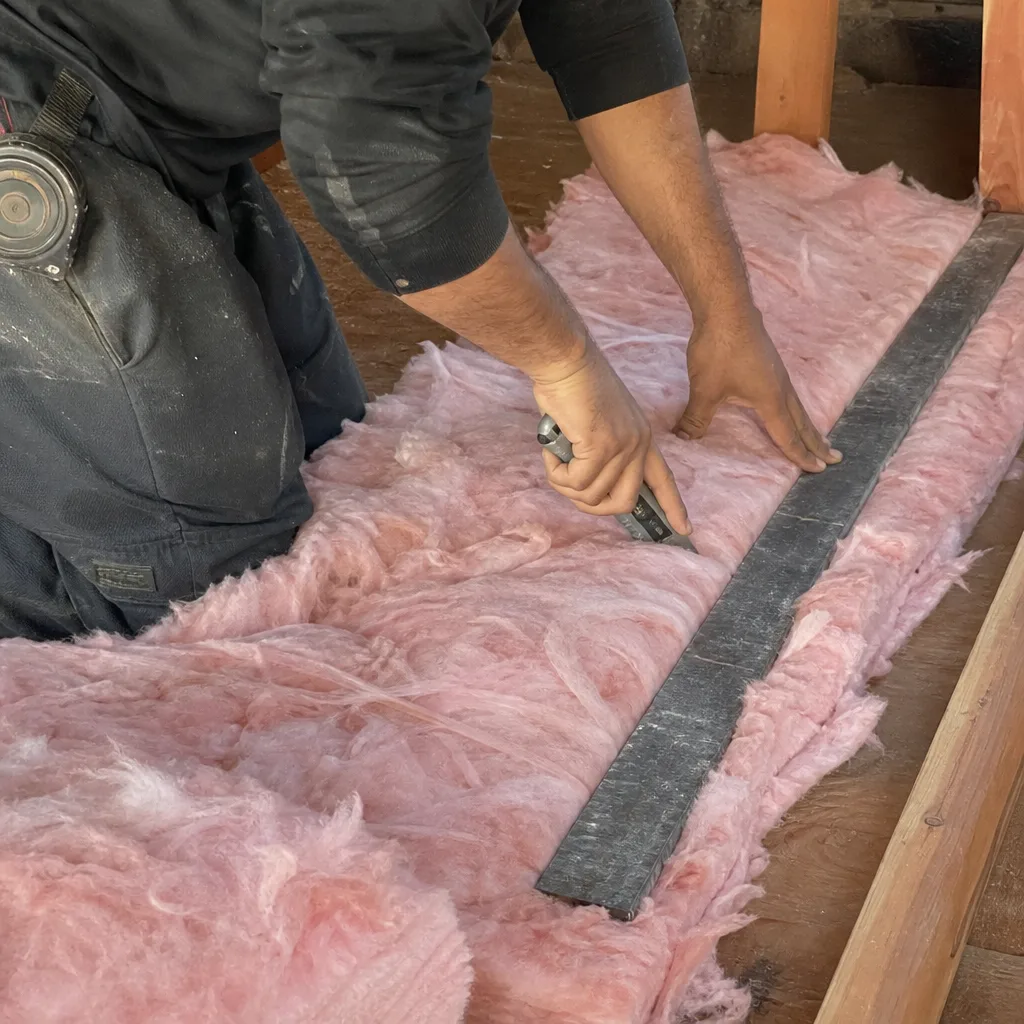
What the clean-up looks like
We run a HEPA-filtered vacuum hose from the attic hatch down to the truck, with drop cloths covering the hallway and stairs. The attic hatch gets sealed with weatherstripping before we leave, and you get a photo of the finished attic and the clean hallway.
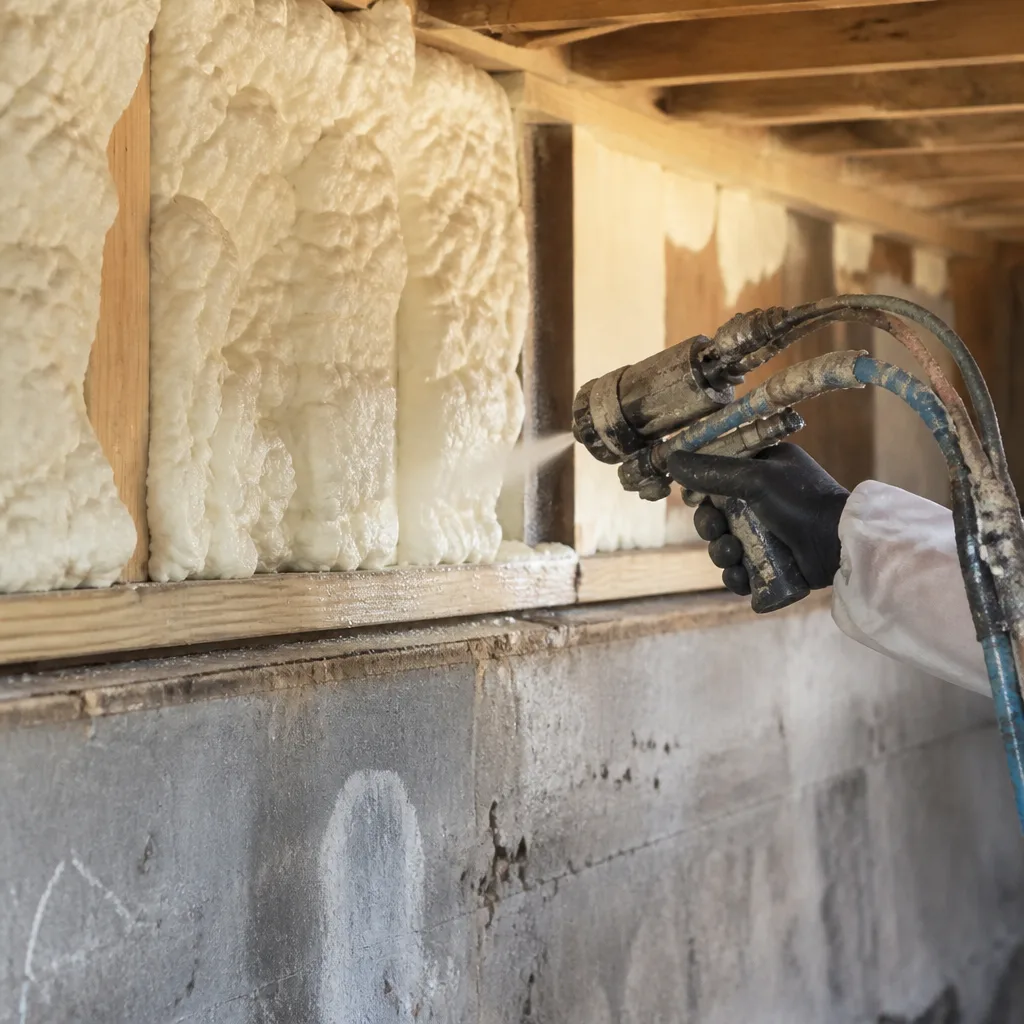
What happens when you call
- 1
A real person answersNo phone trees - you reach a local pro.
- 2
You get an upfront price rangeHonest numbers before anyone is dispatched.
- 3
A background-checked tech heads outLicensed & insured, dispatched right away.
- 4
You approve before work beginsNothing starts until you say go.
Attic Mold Removal in Chino
Attic Mold Removal in Chino often traces back to two things: the basin’s sharp overnight temperature swings, and bathroom exhaust fans venting into the attic instead of through the roof. In pre-1970s homes near Historic Downtown Chino, it’s also common to find decades of moisture trapped under failing roof decking. Mold removal in Chino attics typically runs $1,500 – $4,600 depending on the affected square footage and whether decking needs treatment or replacement.
What’s involved
We remove and bag the contaminated insulation, treat the affected framing and decking with an EPA-registered antimicrobial, and address the moisture source before any new insulation goes in. If a bath fan is dumping into the attic, we’ll flag it and either fix the venting or coordinate with your roofer. We don’t blow new insulation over a moisture problem. That would be burying the cause, not fixing it.
Do you need mold removal, or just replacement?
If you can see dark staining on rafters or decking, or you smell must in the hallway below the attic hatch, that’s mold. If the insulation is just compressed and gray from dust, that’s cleaning. We’ll tell you which one you actually have before quoting anything.
Trusted Brands We Service in Chino
We install GreenFiber blown-in fiberglass for most Chino retrofits because it settles predictably and fills the odd-shaped bays in older tract attics. For homeowners who want batt, we stock Owens Corning and Johns Manville in our trucks, so there’s no two-week wait for product. We can also quote Knauf if you have a preference. The point is we’re not married to one brand. We match the material to your attic geometry, your family’s product sensitivities, and Chino’s Climate Zone 10 demands. Pet-safe options exist, and we’ll walk you through them.
Common Attic Insulation Problems We See in Chino Homes
- Compressed R-19 batts in College Park tract homes. Original fiberglass batts flatten under their own weight over two decades, especially along the eaves. The thermal boundary breaks exactly where the roof gets hottest. Attic temps here can push 160°F, so the failure shows up fast in upstairs bedrooms.
- Unsealed attic access hatches. In tight, alley-loaded Chino tract homes, the hatch over the hallway acts like a chimney. A 2-foot-by-2-foot uninsulated hatch panel can leak as much conditioned air as a half-open window, all summer long.
- Pre-1970s homes near Historic Downtown Chino with no wall insulation at all. Attic-only work helps, but the basin’s 25 – 35°F overnight drops will still pull heat through uninsulated 2×4 walls. We’ll be honest about what attic insulation alone can and can’t do for these houses.
- Recessed can lights leaking attic air into living spaces. Older tract homes here often have non-IC-rated cans that are basically open holes to the attic. We seal around them with fire-rated covers before blowing in new insulation, so your new R-38 actually performs like R-38.
Pricing for Attic Insulation in Chino, CA
Blown-in attic insulation in Chino typically runs $1.80 – $3.60 per square foot for full removal and reinstall. A 1,800 sq ft College Park home with settled R-19 batts usually lands between $3,200 and $5,800. An attic top-up over existing insulation costs less, often $1,200 – $2,600, but only makes sense if the existing material is dry and uncontaminated. Replacement runs higher because of the labor to vacuum out the old material. You’ll have your exact written number before we touch a rafter. That includes the clean-up photo, the shoe covers, the drop cloths. All of it. Call (909) 768-6501 for a free estimate.
We Also Serve Cities Near Chino
Our crews work throughout the Inland Empire from a Riverside-San Bernardino office, with dispatch into Chino coordinated locally. We also serve Chino‘s neighbors: Norco, Chino Hills, Corona, and Ontario. If you’re near the Chino Airport off Kimball Avenue or up toward the 71 freeway, call us and we’ll let you know our next available slot.
Serving Chino, CA - Our Local Coverage Area
We’re based in the Chino area and know this community well. Use the map below to see our service coverage - if you’re nearby, we can almost certainly help.
FAQs About Attic Insulation in Chino
Because they were built in a compressed window, mostly 2000 – 2015, to Title 24 minimums that now look thin. R-19 attic batts and unsealed hatches were code-compliant then. They’re not now. A single College Park block can have 40 homes with the exact same attic configuration, so when one homeowner finds settled insulation, the neighbors almost certainly have it too. Call (909) 768-6501 and we’ll tell you what your specific tract typically needs.
Yes. Most 1990s-era Chino homes can be brought to R-38 or R-44 with blown-in fiberglass over air-sealing. The work is straightforward: remove or top up the old material, seal top plates, can lights, and the hatch, then blow to the target depth. Current Title 24 calls for R-38 attic insulation in Climate Zone 10. We can usually hit that in a single day. Estimates are free at (909) 768-6501.
It matters more than most people think. In Chino’s 150°F summer attics, an unsealed hatch leaks conditioned air straight up into the attic, and hot attic air down into your hallway. Sealing and insulating the hatch is one of the cheapest per-square-foot retrofits we do, and we include it in every full insulation job. If that’s the only issue, we can quote it as a standalone fix.
Yes. We handle attic cleaning and mold removal alongside insulation, often in the same visit. If the old insulation is compressed, rodent-contaminated, or moldy, we remove it, treat the decking if needed, air-seal, and blow in fresh insulation. One crew, one day, one written price. Call (909) 768-6501 to schedule an assessment.
Dry doesn’t mean leak-free. Chino’s basin geography produces sharp overnight temperature drops, and those 25 – 35°F swings create stack effect: warm air rises through every gap in your ceiling, pulling outside air in through walls and floors. Insulation without air sealing is like a down jacket with the zipper open. We seal the top plates, can lights, and hatch before blowing in new material. It’s the difference between an attic that checks a box and one that actually holds temperature.
One Chino Block, One Playbook
Chino’s tract-home blocks were built within a tight 10 – 15 year window on converted dairy land, so a single block can share the same R-19 batt and unsealed attic hatch. We don’t write proposals per house; we template them per tract. It means faster, more accurate quotes, and it means we know what’s behind your drywall before we knock. Because many of these homes park cars in tight alley-loaded garages and townhome-style motor courts, our crews size ladder and hose staging to the driveway, not the street. Your neighbor’s Prius and your recycling bin stay exactly where they are.
In the College Park area, a homeowner reported their upstairs bedrooms hitting 88°F by mid-afternoon despite a new HVAC system. Our tech found blown-in fiberglass settled to about R-11 in the original 2000s attic and a naked, unsealed attic hatch pulling conditioned air straight out. We vacuumed the old material, air-sealed the top plates and hatch, and blew in Owens Corning fiberglass to a uniform depth, then verified with a thermal scan before leaving. The bedrooms dropped into the high-70s that same week, and the homeowner texted us a photo of the thermostat the next Saturday. That’s the job. That’s how it should go every time.
Thistledown is the soft fluff of the thistle, one of nature’s lightest insulators. The name is a promise about how carefully we work. If you’re in Chino and your upstairs runs hot, call (909) 768-6501. We’ll give you a written number, a clean hallway, and a photo to prove it.
Written by Neil Barron, Owner at Thistledown Attic Insulation, serving Chino since 2003.