
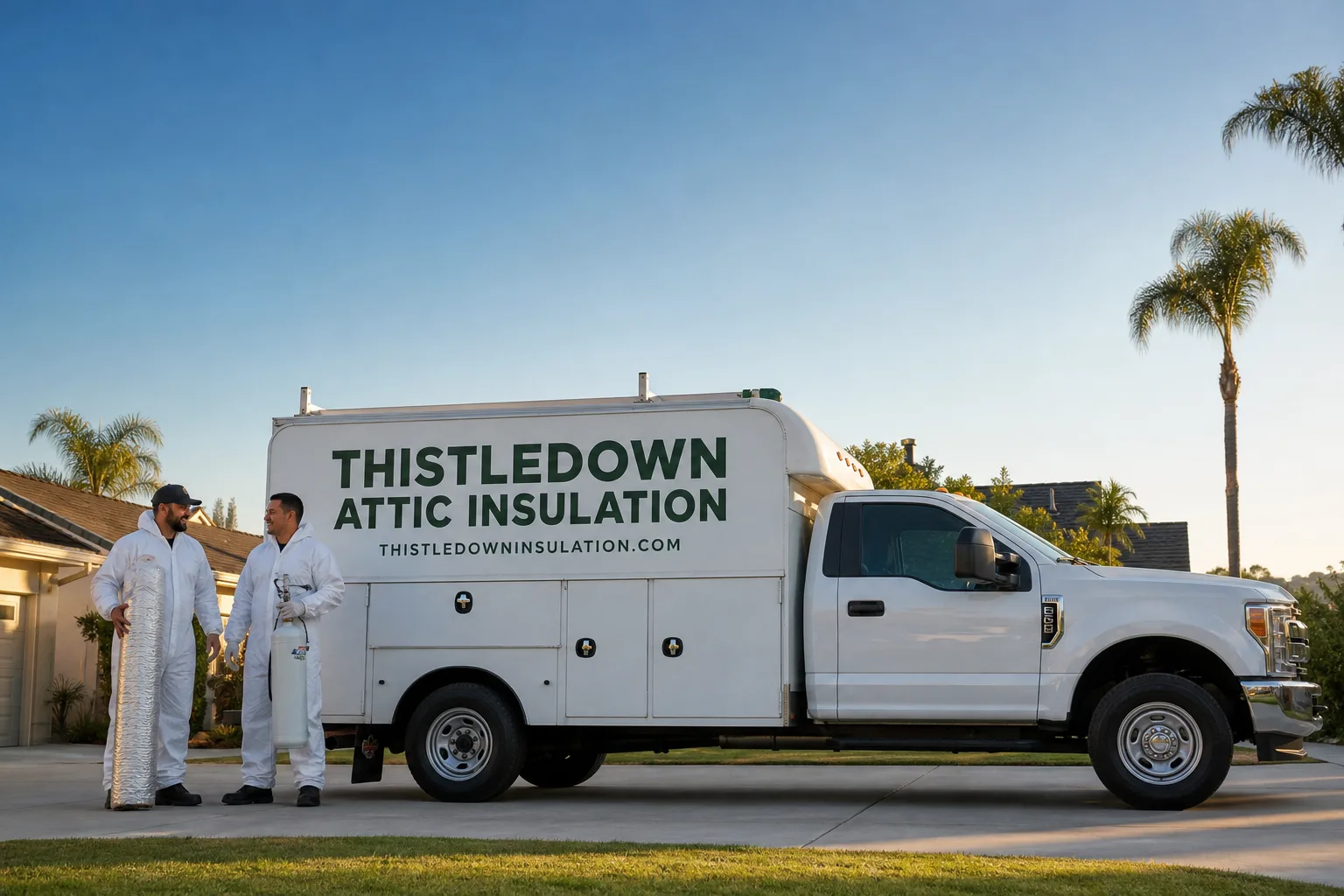
Fast, Reliable Attic Insulation Across Gilroy
Attic insulation in Gilroy typically runs $1,800 to $4,200 for a full retrofit on a 1,500 – 2,200 sq ft home, with air sealing adding $600 to $1,200. Most jobs finish in one day, and you’ll have a written price before any work begins. If your cooling bills climb every July while your upstairs bedrooms stay warm, the problem is usually not the HVAC. It’s what’s happening, or not happening, in the attic. Call Thistledown Attic Insulation at (909) 768-6501 and we’ll send a background-checked technician who wears shoe covers from your front door to the attic hatch.
Why Thistledown Attic Insulation Is Gilroy’s Preferred Attic Insulation Company
We’re a Cedarwell-family company, not a franchise, and that matters in a city like Gilroy where the housing stock has very specific problems. Crews serving Gilroy work on 1990s and 2000s stucco tract homes that were built fast for commuters, and we know what those attics look like at this age. Original fiberglass batts compressed to half depth. Top plates never sealed. Duct boots leaking conditioned air into the vented space. The diagnostics matter as much as the material, and our techs check the whole attic boundary before recommending anything.
Every job is backed by the 365-Day Done Right Promise: if it’s not done right, we make it right, no debate, no fine print. Every customer gets a written price before work starts, always. You’ll also get a photo of the clean-up before the van pulls away. Homeowners have told us that last part is what made them call us back for the next project.
Gilroy homeowners reach us fast because a live person answers every call, 24 hours a day, 7 days a week. No voicemail trees. If you call at 9:30 pm with a question about whether your attic can wait until spring, you’ll talk to a person who can actually answer it.
Radiant Barrier in Gilroy
Radiant barrier in Gilroy addresses a very specific local condition: the inland heat trap that pushes summer attic temperatures well past 140°F even when outside air is only 95°F. A radiant barrier is a reflective foil layer installed on the underside of the roof deck that reflects radiant heat back out instead of letting it radiate down into the insulation. In Gilroy’s July and August stretches, that can cut attic temperatures by 20 to 30 degrees, which means your insulation isn’t fighting heat that already soaked through the roof structure. A typical radiant barrier installation in Gilroy runs $1,200 to $2,800 depending on attic footprint and roof geometry.
When It Makes Sense
Radiant barrier does not replace insulation. It works alongside it. If your attic has adequate R-value but the upstairs still bakes on sunny afternoons, the problem is radiant heat gain through the roof deck. That’s the signal to add a barrier. If your insulation is failed, we fix the insulation first, then evaluate whether the barrier will pay for itself in your specific attic.
What The Work Involves
Our techs staple or secure reflective foil across the rafters, working around vents and leaving the soffit airflow path intact. It’s detail work in a hot space, and we bring quiet tools plus drop cloths for any interior access path. Gilroy’s east and southeast attics, the ones catching the Pacheco Pass wind, benefit most because the barrier helps stabilize the attic temperature swing that wind-driven air leakage amplifies.
Attic Cleaning Services in Gilroy
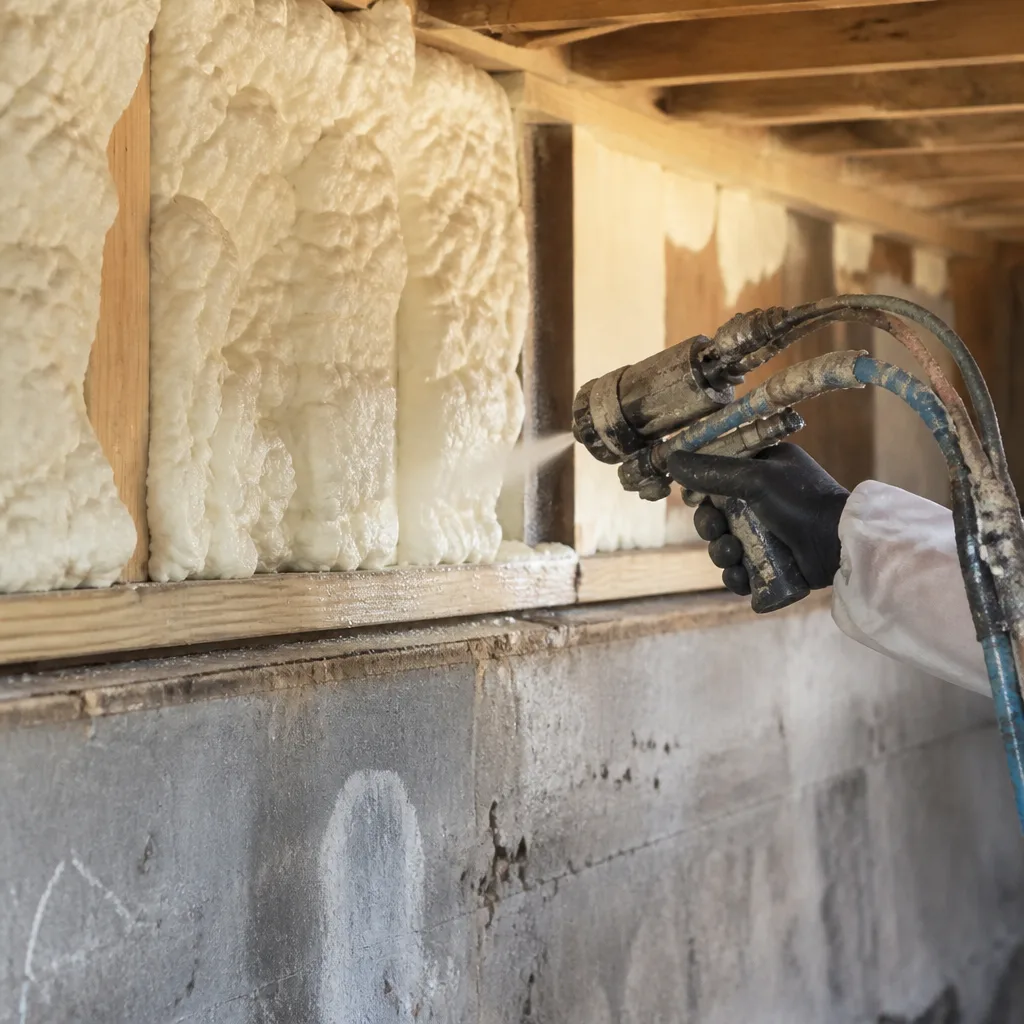
Attic cleaning services in Gilroy matter more than in cooler Bay Area cities because of what accumulates during long hot summers and windy afternoons. Dust, rodent activity, and decades of degraded fiberglass particles build up in a 25-year-old tract home attic. We remove old, failed insulation, vacuum out debris, sanitize where needed, and prep the space for fresh material. A full attic cleaning and insulation removal in Gilroy typically runs $1,400 to $3,200 depending on attic size, access, and the condition of what’s up there.
When A Gilroy Home Needs It
If your 1990s tract home has never had attic work done, and you can see dust trails or rodent evidence around the ducts, cleaning is the honest first step. Blowing new insulation over old, contaminated material traps the problem under a fresh layer. Homeowners near Monterey Street with older Craftsman or Victorian houses often ask us about this too: those attics can hold a century of dust, and cleaning before insulating is sometimes the only way to know what the actual roof deck looks like.
What Happens After Cleaning
We inspect the top plates, duct penetrations, and any existing baffles, then recommend the right sequence: air seal first, then insulate. You get photos of the cleaned attic before we blow in new material. No one is guessing what’s under the new insulation, because you’ll have seen it yourself.
What happens when you call
- 1
A real person answersNo phone trees - you reach a local pro.
- 2
You get an upfront price rangeHonest numbers before anyone is dispatched.
- 3
A background-checked tech heads outLicensed & insured, dispatched right away.
- 4
You approve before work beginsNothing starts until you say go.
Trusted Brands We Service in Gilroy
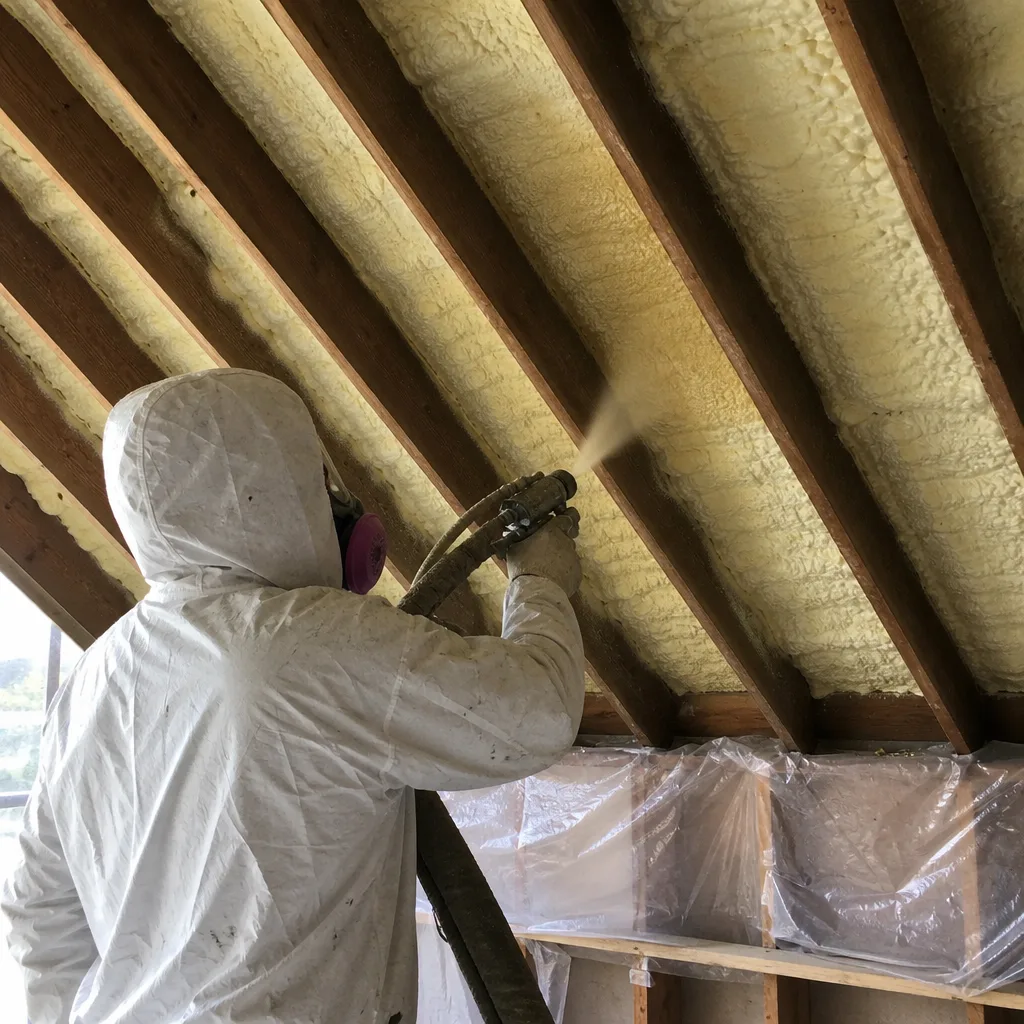
We install products from Johns Manville, Knauf, Rockwool, and CertainTeed, along with Owens Corning and others in our full line. The right product for your Gilroy attic depends on what your house actually needs: blown-in fiberglass for open attics over tract-home framing, Rockwool for fire resistance and sound control, CertainTeed batts for cathedral ceilings where loose-fill won’t hold. We carry local stock and can usually bring material same-week for Gilroy projects. Pet-safe options are available where a choice exists, so the dog can stay home during the job.
Common Attic Insulation Problems We See in Gilroy Homes
- Settled and compressed 1990s fiberglass batts. Gilroy’s commuter-tract houses were built fast, and insulation was often laid quickly and unevenly in vaulted-ceiling bays. Twenty-plus years later, half-depth batts are common, which means an attic rated R-30 is actually performing closer to R-15 or worse.
- Unsealed top plates and duct penetrations. Homes on Gilroy’s east and southeast sides sit directly in the Pacheco Pass wind path. Afternoon winds pressurize the attic plane and push conditioned air out through every unsealed seam, wiping out whatever R-value remains. Blower-door readings on these homes run dramatically higher than comparable houses just a few miles north.
- Stucco-clad wall assemblies trapping moisture. Wood-frame stucco construction holds moisture against the sheathing while the attic cooks in the inland heat trap. Skipping air sealing before blowing new insulation just puts more material over a leaking envelope. The leak doesn’t go away.
- Pre-WWII homes near downtown Monterey Street with little or no original attic insulation. The older Craftsman and Victorian houses along that corridor were built before attic insulation was standard. Some have nothing but a few inches of debris up there, and some have never had the air boundary defined at all.
Pricing for Attic Insulation in Gilroy, CA
A full attic insulation retrofit in Gilroy typically ranges from $1,800 to $4,200. Blown-in insulation over an existing, clean attic runs $1,500 to $2,800 for a standard tract home. Attic batt insulation for cathedral ceilings or tricky vaulted bays runs $2,000 to $3,800. An attic insulation top-up, where you add material over intact existing insulation, runs $800 to $1,800. Attic insulation replacement, which includes removing failed material and starting fresh, runs $2,200 to $5,000 depending on attic access and how much material has to come out. Baffles and ventilation prep add $400 to $900. Air sealing runs $600 to $1,200. Radiant barrier runs $1,200 to $2,800. The exact written number for your home comes after we inspect the attic, not before, but you’ll have it before anyone touches a rafter. Call (909) 768-6501 for a free estimate.
We Also Serve Cities Near Gilroy
We work throughout the South Bay. If you’re in San Martin, Morgan Hill, Los Gatos, or Campbell, our Attic Insulation team can schedule a visit and bring the same written-price, shoe-covers, photo-of-the-cleanup standard. Gilroy remains our focus for this page, but we regularly run jobs up and down the 101 corridor.
Serving Gilroy, CA - Our Local Coverage Area
We’re based in the Gilroy area and know this community well. Use the map below to see our service coverage - if you’re nearby, we can almost certainly help.
FAQs About Attic Insulation in Gilroy
Because Gilroy’s east and southeast sides sit directly in the Pacheco Pass wind path, and Morgan Hill doesn’t. The afternoon winds pressurize your attic plane and push conditioned air through unsealed top plates and duct penetrations. Blowing insulation over those leaks adds R-value while the envelope still leaks, which is like putting on a heavier coat with the zipper open. Air sealing first is the whole job here, not an add-on. Call (909) 768-6501 and we’ll show you the blower-door numbers before and after.
Look for three signs: upstairs rooms that stay warm even when the AC runs constantly in July, high cooling bills for a house this size, and visible dust trails or uneven insulation depth at the attic hatch. In Gilroy’s 1990s tract stock, we regularly find original Owens Corning batts compressed to about half their rated depth in vaulted bays. The only way to know the real R-value is to measure depth and check for air leaks. We do that as part of every free estimate.
Yes. The pre-WWII Craftsman and Victorian homes along the Monterey Street corridor are some of the most underserved attics in Gilroy. Many were built before attic insulation was standard, and some have accumulated a century of dust and debris. We clean first, inspect the roof deck and framing, then build the thermal boundary from scratch. Older attics also benefit from baffles to keep soffit vents clear before new insulation goes in. Estimates are free, and you’ll see the plan in writing before anything starts.
A radiant barrier reflects heat away from the roof deck before it can radiate down into the insulation and living space. More blown insulation slows conductive and convective heat transfer; it doesn’t stop radiant heat from entering the attic in the first place. In Gilroy’s July and August stretches, when attic temperatures exceed 140°F even on a 95°F day, a radiant barrier can drop that by 20 to 30 degrees. For east and southeast-facing homes with heavy afternoon sun, the two together are often the difference between an upstairs that cools and one that never does. Call (909) 768-6501 and we’ll tell you honestly whether your attic needs both.
Yes, and it’s measurable. We’ve run blower-door tests on east-side Gilroy homes that read 20 to 30 percent higher air leakage than comparable houses in the western part of the city or in Morgan Hill. The wind funnels through Highway 152, hits the southeast-facing walls and rooflines, and drives air through every unsealed top plate, duct boot, and recessed can light. If your attic isn’t air-sealed, the wind is actively stealing your conditioned air every summer afternoon. Sealing the top plates and duct penetrations is the first thing we do on those homes, and it’s the difference between insulation that works and insulation that is just taking up space. We were called out to a 1998 stucco tract home off the Monterey Street corridor where the homeowner’s cooling bills had spiked during a 103°F August stretch. Our tech found the original Owens Corning fiberglass batts compressed to about half depth in the vaulted-ceiling attic bay, with daylight visible around the top plates and the wind whistling through unsealed duct boots on the southeast side. We air-sealed the top plates and penetrations first, then blew in new Owens Corning loose-fill to restore the full R-value, and the blower-door number dropped enough that the homeowner finally stopped chasing the thermostat.
If you’re dealing with a hot upstairs, high summer bills, or an attic that has never been touched since the house was built, call Thistledown Attic Insulation at (909) 768-6501. You’ll get a live person, a written price, and a crew that treats your home like their own. Shoe covers at the door, drop cloths across the hallway, quiet tools if the baby is napping, and a photo of the clean-up before we leave.
Written by Neil Barron, Owner at Thistledown Attic Insulation, serving Gilroy since 2003.