
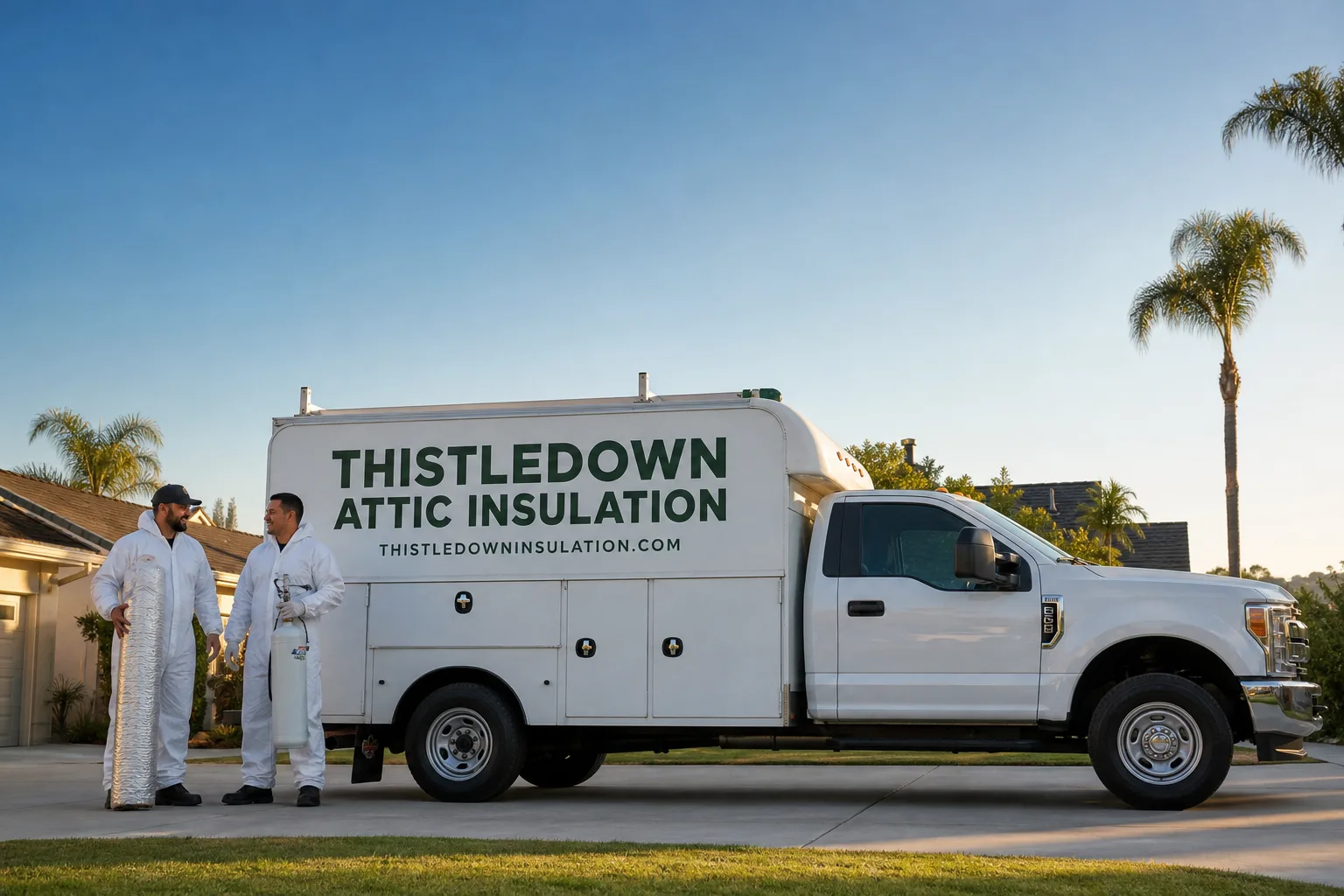
Fast, Reliable Attic Insulation Across Vincent
Attic insulation in Vincent, CA runs anywhere from $1,200 for a simple top-up to $4,800 for a full removal, air-sealing, and blown-in replacement on an older ranch home. Most jobs are completed in a single day by our Attic Insulation crew, and you’ll have a written price before anyone climbs the ladder. If your ceilings feel hot in July and your heating bill climbs every December, the attic is usually the first place we look. Call (909) 768-6501 and a live person answers, day or night.
Why Thistledown Attic Insulation Is Vincent’s Preferred Attic Insulation Company
Vincent homeowners call us because we know what these attics actually look like. We’ve crawled through dozens of ranch houses off Sierra Highway and Soledad Canyon Road, and we understand the wind-scoured loose fill, the shallow rafter bays, and the dust that pours through ceiling penetrations during Santa Ana events. Our techs are background-checked and uniformed, and they lay drop cloths across your hallway and wear shoe covers from the front door to the attic hatch. Every visit ends with a photo of the clean-up before the van pulls away.
Neil Barron, who leads our team, built Thistledown around a simple idea: explain the work before it starts, put the price in writing, and treat the house like it’s our own. That’s the Cedarwell Care Promise in action. Ask before we move or touch anything. Respect the family’s time and quiet hours. Clean up like it is our own home. These aren’t slogans; they’re the way every Vincent job gets done. And the 365-Day Done Right Promise backs every install: if it’s not done right, we make it right. No debate, no fine print.
Radiant Barrier in Vincent
Radiant barrier in Vincent is one of the highest-return upgrades you can make to a high-desert attic, because it directly fights the solar heat gain that turns these roof decks into ovens by mid-morning. A radiant barrier is a reflective material installed under the roof decking that bounces radiant heat back out instead of letting it soak into your insulation and ceiling. In a Vincent summer where highs regularly top 100°F, that reflection can drop attic temperatures by 20 to 30 degrees and take real pressure off your air conditioner.
When It Pays For Itself
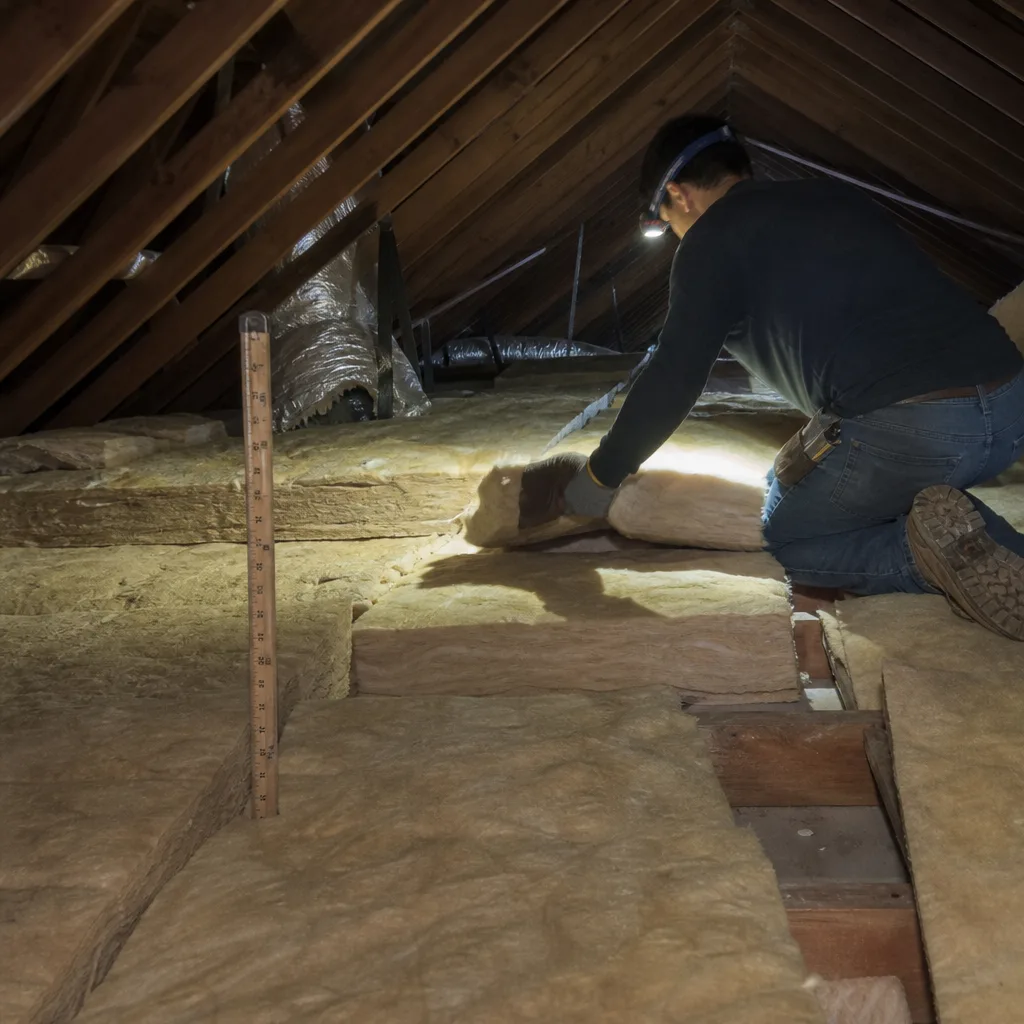
Radiant barrier makes the most sense in attics that already have at least R-19 to R-30 of insulation but still bake in the afternoon. If your attic is a shallow-framed modular or ranch home with limited rafter depth, the barrier adds thermal performance without needing another six inches of fiberglass. For a typical Vincent single-family home, radiant barrier installation runs $900 to $2,200 depending on roof area and access.
What The Install Looks Like
We staple or fasten the reflective material to the underside of the rafters, leaving the existing insulation in place. In older Vincent attics we check for dust buildup first, because radiant barrier works best when the reflective surface stays clean. Wind-driven dust from the Soledad Canyon corridor is a real factor here, so we often recommend pairing the barrier with air-sealing of ceiling penetrations.
Attic Cleaning Services in Vincent
Attic cleaning services in Vincent are often the necessary first step before any insulation work, because these attics collect decades of high-desert dust, rodent droppings, old insulation debris, and wind-blown grit that no new fiberglass should be laid over. We remove the old material, vacuum or bag out the contamination, and inspect the framing and wiring before anything new goes in. For most Vincent ranch homes, attic cleaning runs $600 to $1,400 depending on attic size, access difficulty, and how much old material has to come out.
Dust And Wind Scour Cleanup
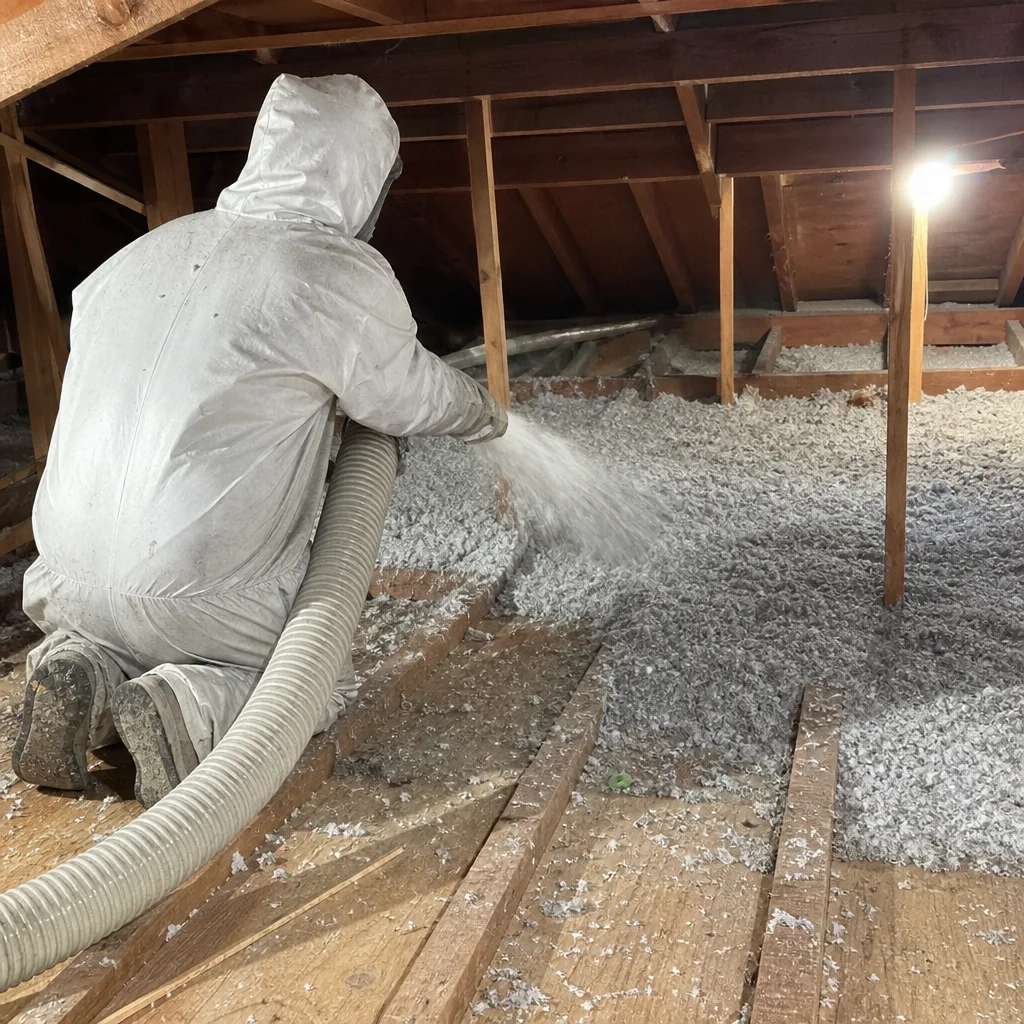
The Soledad Canyon corridor pushes fine dust through every gap in the ceiling, and older mineral wool that’s been wind-scoured into drifts leaves sections of ceiling with almost no insulation at all. We level what’s salvageable and remove what isn’t. Then we air-seal top plates, can lights, and plumbing chases so the next Santa Ana event doesn’t undo the work.
When Pests Are Involved
Rats and mice find their way into older Vincent attics through vent gaps and roofline cracks. We remove contaminated insulation, sanitize the affected areas, and flag entry points so you can seal them before new insulation goes in. Pet-safe products are used where a choice exists, because the dog doesn’t need to be relocated for the day.
What happens when you call
- 1
A real person answersNo phone trees - you reach a local pro.
- 2
You get an upfront price rangeHonest numbers before anyone is dispatched.
- 3
A background-checked tech heads outLicensed & insured, dispatched right away.
- 4
You approve before work beginsNothing starts until you say go.
Trusted Brands We Service in Vincent
We install and service attic insulation from Owens Corning, Rockwool, and Johns Manville, and we keep common materials staged for fast turnaround on Vincent jobs. That means if you need a blown-in top-up before winter or a batt replacement in a 1960s ranch ceiling, we’re not waiting two weeks on a supplier. The right product gets matched to each attic and each family, and where a choice exists, we offer pet-safe options. You’ll know the exact brand and R-value before we start, written on the same page as your price.
Common Attic Insulation Problems We See in Vincent Homes
- Wind-scoured loose fill. Downslope winds from the Soledad Canyon corridor shove loose mineral wool into drifts, leaving half the ceiling bare. We see this constantly in 1950s – 1980s ranch houses, and it’s invisible from the living room.
- No air-sealing at top plates and can lights. Fine desert dust pours through every gap during Santa Ana events. Insulating without sealing these penetrations just buries the problem under new fiberglass.
- Shallow rafter bays that can’t hold rated batt thickness. Modular and weekend-retreat attics were framed for storage, not thermal performance. Compressing R-30 batts into a 2×6 bay kills the R-value, and crews that don’t know Vincent’s housing stock do it all the time.
- Uninsulated pier-and-beam crawl spaces. That cold snap on the valley floor freezes pipes over open crawl spaces, and the heat loss travels up through the whole envelope. Attic work without addressing this is a half-fix.
Pricing for Attic Insulation in Vincent, CA
Here’s what we quote on Vincent jobs, in writing, before any work begins. A blown-in top-up on a 1,200-square-foot ranch typically runs $1,200 to $1,800. A full removal and replacement with air-sealing runs $2,800 to $4,800 depending on attic size and contamination level. Batt insulation replacement runs $1,800 to $3,500. Attic baffles and ventilation prep add $300 to $700. Radiant barrier alone is $900 to $2,200. Call (909) 768-6501 for a free estimate and you’ll have your exact number in writing before we touch a rafter.
We Also Serve Cities Near Vincent
Our crews work throughout the high desert and the surrounding metro. In addition to Vincent, we regularly handle attic insulation projects in Los Angeles, San Diego, San Jose, and San Francisco. Dispatch and scheduling are coordinated from our Los Angeles office, but the crew that shows up at your door knows these local attics and the wind that shapes them. Call (909) 768-6501 and tell us what you’re seeing.
Serving Vincent, CA - Our Local Coverage Area
We’re based in the Vincent area and know this community well. Use the map below to see our service coverage - if you’re nearby, we can almost certainly help.
FAQs About Attic Insulation in Vincent
If the loose fill is old mineral wool that’s been wind-scoured into drifts, we usually recommend removing it rather than just leveling it, because it’s contaminated with decades of dust and often unevenly degraded. Leveling alone leaves the air-sealing problem untouched. We’ll inspect the attic, show you what’s salvageable, and quote removal only if it’s genuinely needed.
Yes, and it’s one of the best upgrades for these high-desert summers. A radiant barrier reflects solar heat off the roof deck and keeps the attic meaningfully cooler, which reduces the load on your air conditioner. In Vincent’s climate we often see a 20 to 30 degree attic temperature drop after installation, and it works alongside your existing insulation rather than replacing it.
They don’t account for the wind. Soledad Canyon downslope events physically move loose fill and pump dust through the ceiling, which doesn’t happen the same way in the Basin. They also compress batts into shallow rafter bays that were never framed for modern insulation depth. A Vincent attic has to be evaluated differently, and that’s our home turf.
Yes, and we do it carefully. Modular and manufactured home attics are often framed shallower than site-built houses, so we match the insulation depth to the actual rafter bay, not a generic spec sheet. We also check the roof load and ventilation before adding any weight or blocking airflow. The right product for these attics is often a blown-in fiberglass at the correct depth, with baffles to protect eave vents.
When outdoor temperatures drop into the 20s, any gap in your attic insulation becomes a thermal leak that pulls heated air out of the living space and chills the ceiling below. Homes here sit against cold downslope air from the mountains, and the high-desert altitude amplifies nighttime radiative cooling. We air-seal and insulate as a single job so those freeze cycles don’t spike your heating bill through the winter.
If you’re ready to get your Vincent attic working the way it should, call (909) 768-6501. You’ll get a live person, a free estimate, and a written price before any work starts. We’ll lay down drop cloths, wear shoe covers, and leave you a photo of the clean-up before we go. That’s the Thistledown standard.
Written by Neil Barron, Owner at Thistledown Attic Insulation, serving Vincent and the surrounding high desert communities.